Best Septic Install Near Wayne County, MI
Who This Guide Helps: Homeowners Considering a Septic Install Near Wayne County, MI
If you’re reading this, you’re likely a homeowner who just learned you need a new septic system or a major replacement. Maybe your yard smells like rotten eggs, your drains gurgle, or your inspector flagged the system during a home sale. You’re stressed about the cost, the mess, and the risk of hiring the wrong crew. We get it. At Superior Surfaces LLC in Ray, Macomb County, we talk with families every week who feel the same way. You want clear answers, a fair price, a clean yard when we’re done, and a system that works for years. This guide is for you. It will help you find the best Septic Install Near Wayne County, MI and choose a contractor who gets it right the first time.

Quick Answer: How to Find the Best Septic Install Near Wayne County, MI
Here is the short version before we dive deep.
Verify licensing, insurance, and recent local references
Ask for a written scope with drawings, elevations, and a site map
Confirm soil testing and system sizing based on real data
Compare bids line by line using the same scope
Demand a clear schedule from site prep to final inspection
Require as-built drawings and a maintenance plan at handoff
Follow these steps and you will avoid most common problems with a Septic Install Near Wayne County, MI.
Septic Basics in Plain English: How a System Works and Why Soil Matters
A septic system is simple at heart. Wastewater leaves your home, enters a tank where solids settle, then flows to a drain field where soil does the final cleaning. The tank is the stomach. The soil is the filter. If the soil can’t drain, the system fails. If the tank is undersized or installed out of level, you will have backups. That is why soil testing and grade control are nonnegotiable. Good contractors treat the ground as part of the system, not an afterthought.
Repair or Replace: When a New Septic Install Near Wayne County, MI Makes Sense
A repair might fix a simple crack or a clogged line. But replacement is often smarter when:
The soil is saturated and the drain field is at the end of its life
You added bedrooms and the system is undersized
The tank is damaged, leaking, or out of code
You are selling the home and need a compliant system
If two or more of these apply, a fresh Septic Install Near Wayne County, MI usually saves money and headaches over time.
Real Costs in Michigan: Permits, Soil Tests, Tanks, Drain Fields, and Final Grading
Think of the total cost as a stack of blocks. Each block has a price.
Site walk and design
Soil evaluation and perc test
Permits and county fees
Excavation, trenching, and spoil handling
Tank, distribution box, piping, and fittings
Drain field materials and media
Pumps, alarms, or dosing equipment if needed
Backfill, compaction, and final grading
Restoration like seed and straw
A complete bid should show every block. If a number is missing, someone will pay later. Make sure your proposals include haul off, rock allowance if encountered, and time for inspections. This keeps “extras” from surprising you mid job.
System Types Compared: Conventional vs. Aerobic vs. Mound for Michigan Properties
Every property is different. Here are common choices.
Conventional gravity
Best for good draining soils and gentle slopes. Fewer moving parts and simple maintenance.Aerobic treatment
Adds air to speed up breakdown. Helpful on small lots or tougher sites. Needs power and regular service.Mound systems
Used when soils are shallow or seasonal water is high. Built above grade with layers of sand and stone. Needs careful construction and leveling.
A skilled contractor will match the system to your soil, groundwater, and space. If your yard is tight or wet, a mound or aerobic design may be your best option for a lasting Septic Install Near Wayne County, MI.
Rules and Permits: What Wayne County and Michigan EGLE Require
Local rules exist to protect your well, your neighbors, and local waters. Expect requirements around:
Setbacks from wells, property lines, and waterways
Minimum tank sizes by bedroom count
Soil tests and groundwater separation
Pump tank and alarm where grades demand it
Final inspection and as-built records
The right contractor handles the paperwork, schedules inspections, and keeps your project compliant. If a bidder shrugs at permits, move on.
The Contractor Checklist: Licenses, Insurance, Crew, Equipment, and References
Use this quick checklist to sort the pros from the rest.
License in good standing
General liability and workers’ comp
Proof of recent work in your county
Owns or reliably sources the right equipment
Provides three local references from the past year
Shares sample drawings and as-builts
Answers questions without pressure
At Superior Surfaces LLC, we build scopes you can hand to any other bidder. It keeps things honest and helps you compare apples to apples.
Questions to Ask Before You Sign: A Buyer’s Script You Can Use
Print this and bring it to your meetings.
What system type do you recommend for my soil and why
How will you protect my driveway, trees, and irrigation
Can I see a sample as-built, a schedule, and a daily cleanup plan
What is not included in your bid
What happens if you hit rock or groundwater
Who sets final elevations and checks tank level
What are my responsibilities during and after the install
How do you handle rainy days or frozen ground
What is the warranty on workmanship and components
What does maintenance look like in year one and year five
The best Septic Install Near Wayne County, MI starts with clear answers to simple questions.
Red Flags to Avoid: Bid Tricks, Vague Scopes, and Corner-Cutting on Septic Installs
Lump sum bids with no details
“We’ll figure it out once we start”
No mention of soil testing, compaction, or grade control
Missing permit and inspection steps
No daily cleanup plan
Payment demanded in full before backfill
If you see two or more red flags, keep looking.
Timeline and Seasons: The Best Time to Schedule a Septic Install Near Wayne County, MI
Spring and fall are popular. Summer is busy but workable. Winter can be fine with the right gear and frost plan. Ask for a written sequence:
Day 1 to 2: layout, protection, and excavation
Day 3 to 4: tank set, lines, and drain field build
Day 5: inspections
Day 6: backfill, compaction, and rough grade
Day 7: final grade and seed if the season fits
Weather can change the order, but the steps stay the same. A real schedule helps you plan family life and pets around the work.
What a Quality Installation Looks Like: Step-by-Step from Site Prep to Final Inspection
Site protection
Silt fence, plywood mats, and marked utilities keep your property safe.Precise excavation
The crew digs to design depth without overcut. Overcut means more fill and less stability.Tank placement
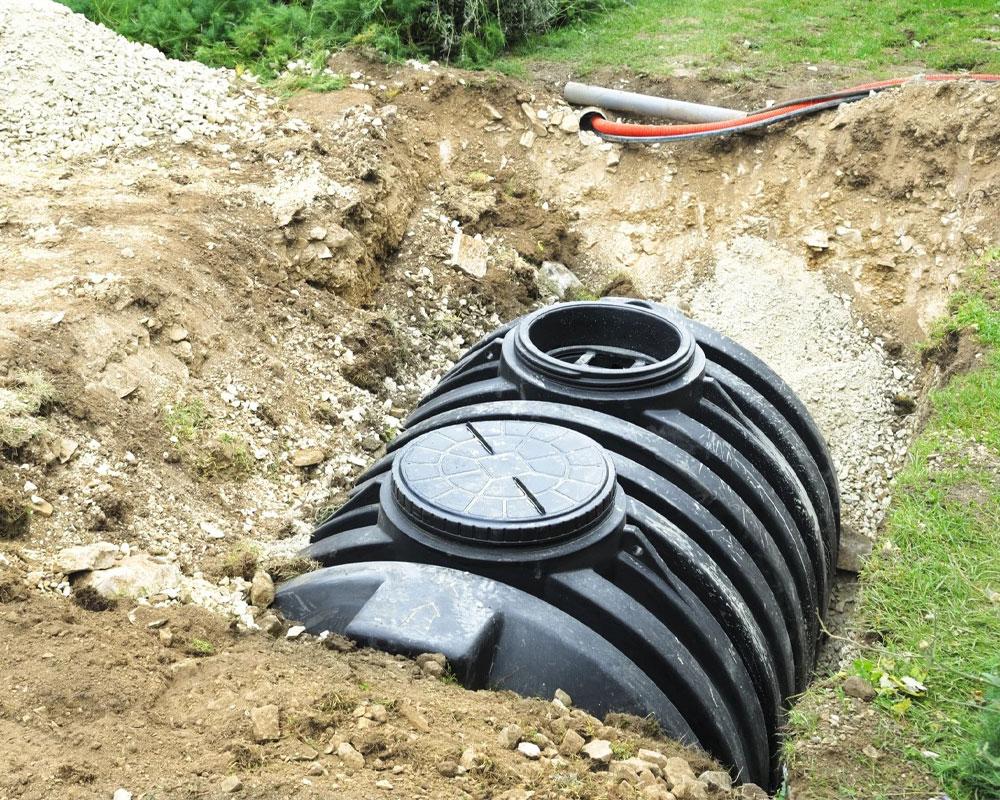
The tank sits level on compacted base. Inlets and outlets align. Lids are accessible for service.Pipe and distribution
Lines are bedded and sloped correctly. Cleanouts are where they belong.Drain field build
Media is clean and even. Trenches match design width and depth. No shortcuts.Backfill and compaction
Layers are placed and compacted to reduce settling. Final grade sheds water away from the system.Inspection and as-built
The inspector checks the work. Your final packet includes drawings for future service.
Quality Control and Testing: Elevations, Compaction, Water Tightness, and As-Builts
Quality is measured, not guessed. Look for:
Laser levels used for every critical elevation
Photographs of key steps tied to your address
Water-tightness checks on tanks and risers
Documentation of pipe slope and trench depth
As-built drawing showing tank, field, and cleanouts with distances from fixed landmarks
You should receive copies for your records and for the next owner if you sell.
Tank and Material Choices: Concrete vs. Plastic, Pipe Types, and Backfill Options
Concrete tanks
Strong and stable. Heavy to set. Good for many Michigan sites.Plastic tanks
Lightweight and fast to install. Must be set on firm base and protected from float in high groundwater.Pipe
PVC SDR is common and durable. Ask where schedule 40 is required for protection.Backfill
Use clean, suitable fill that compacts well. Avoid debris that can damage pipe or settle later.
Your contractor should guide choices based on soil, groundwater, and access. The goal is a system that lasts and is easy to service.
Warranties, Service, and Maintenance Plans That Protect Your Investment
A smart handoff includes:
Workmanship warranty in writing
Component warranties from manufacturers
Schedule for first checkup
Pumping and filter cleaning plan
Do and don’t list for landscaping and traffic over the field
Good service keeps a solid Septic Install Near Wayne County, MI running like it should.
Bids and Budgeting: How to Compare Apples to Apples Without Overpaying
Set your comparison up front. Ask all bidders to price the same scope, the same tank size, the same trench lengths, and the same restoration. Then look at:
Unit prices for rock, unsuitable soil, or extra haul off
Allowances for seed, straw, or sod
Pump, control panel, and alarm details if included
Number of inspection visits
Cleanup and driveway protection plans
Choose value, not just the lowest number. Cheap work becomes expensive when it fails early.
Why Local Experience Matters: Our Approach at Superior Surfaces LLC (Ray, Macomb County)
We are not the biggest outfit and that is by design. It lets us listen, plan, and tailor the job to you. Our team knows the soils in Macomb, St. Clair, Wayne, Oakland, Genesee, and Tuscola Counties. We design around your trees, your play space, and the way water moves across your lawn. We believe in tidy jobsites, friendly crews, and scopes you can understand. Our goal is simple. Build a system that works the first time and is easy to live with for years.
Where We Work: Macomb, St. Clair, Wayne, Oakland, Genesee, and Tuscola Counties
From Ray to Romeo, from Sterling Heights to Grosse Ile, and across Wayne County neighborhoods, we handle design, permits, excavation, and installation. If you are planning a Septic Install Near Wayne County, MI, or in a nearby county we serve, we can walk the site and give you a clear, line item plan.
Next Steps: How to Book a Site Walk and Get a Solid Septic Install Plan
Here is how to move forward with confidence.
Call or message to schedule a site walk
Share your address, bedroom count, and any inspection notes.Soil review and concept layout
We review soil data or schedule testing. We sketch a concept for system type and location.Detailed bid and schedule
You get a clear scope with materials, elevations, and restoration plan. We set a target start date.Permits and neighbors
We manage permits and keep you posted. If access crosses a neighbor’s yard, we help with a simple written agreement.Build and protect
We protect what matters, work clean, and document each step. You can ask questions any day.Final handoff
You receive as-builts, warranties, and a maintenance plan. We walk the site with you so nothing is a mystery.
When it is done right, a septic install is not scary. It is a building project with clear steps, smart choices, and steady communication. If you are seeking the Best Septic Install Near Wayne County, MI, choose a contractor who shows their plan, proves their quality, and treats your yard with respect. That is how you get it right the first time.
