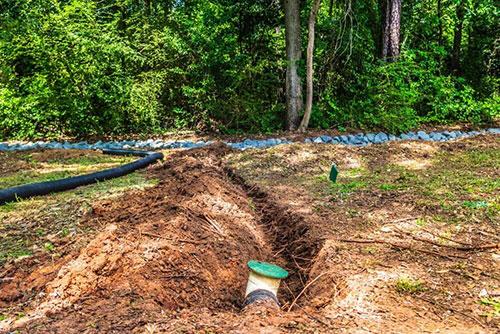
Best Time to Install a French Drain near Wayne County, MI | Seasonal Drainage Guide
Who This Guide Helps: Wayne County Homeowners With Yard or Basement Water
You are tired of stepping into a soggy yard. Your dog tracks mud onto the kitchen floor. The basement smells damp after every storm. You worry about mold, soft spots in the lawn, and water creeping toward the foundation. You have tried gutters and splash blocks. You may have added a little soil to raise low areas. Nothing has fixed it for long.
We get it. We are Superior Surfaces LLC in Ray, Macomb County. We serve Macomb, St. Clair, Wayne, Oakland, Genesee, and Tuscola Counties. A French drain is one of the most reliable ways to move water away from where it does harm. The trick is timing. Put one in at the wrong time and you fight heavy mud, high costs, and slow repairs. Install at the right time and the job moves fast, the trench stays clean, and the system works better for years.
This guide is simple and straight. We will show you when to plan, when to dig, and why the season matters in Wayne County.

Quick Answer: The Best Time to Install a French Drain near Wayne County
The best time for most French drain installations in Wayne County is late summer through mid fall. Aim for August through October. The soil is usually drier. The ground is still warm. Storms are less frequent than spring. This makes trenching cleaner, pipe bedding easier, and yard restoration faster.
There are good reasons to install in late spring or early summer after the ground dries from winter thaw. There are also cases where winter work is possible. Still, if you are choosing the ideal window for cost, speed, and performance, late summer to mid fall wins.
Wayne County Weather and Water: How the Seasons Change Your Drainage Needs
Wayne County sits in a climate with four true seasons. Each season affects excavation, groundwater, and surface runoff.
Spring brings snowmelt and frequent rain. The soil is saturated. Groundwater runs high. Trenches slump. Mud is constant.
Summer warms the ground and dries the topsoil. Storms happen but there are longer dry stretches for prep and backfill.
Fall cools the air but the soil holds summer warmth. Leaves fall, rain is steady but manageable, and the ground is dry enough to work without fighting muck.
Winter freezes the surface layer. Snow can slow work and restoration. Deep frost is a challenge for shallow landscaping but can sometimes make access easier if the ground is firm and snow is light.
Your yard and basement respond to these shifts. If your problem shows up only in heavy spring storms, timing your project ahead of that season gives you the best protection. If water sits all year, you can choose the most efficient season and move forward.
Spring Thaw vs. Summer Dry Spell: When Soil Conditions Are Easiest to Work
Think about soil like a sponge. In March and April, the sponge is full. In July and August, the sponge is drier. Trenching in a full sponge creates cave-ins, cloudy stone bedding, and slow cleanup. Trenching in a dry sponge creates clean cuts that hold shape.
Spring pros:
You can see exactly where water travels after thaw and rain.
You protect your basement before the next big storm cycle.
Spring cons:
Wet yards mean ruts and mess.
Pumping water out of trenches adds time and cost.
Heavy equipment may need ground protection, which adds setup steps.
Summer pros:
Dry soils make trenching faster and safer.
Easier compaction around the drain.
Landscaping heals quickly with warm temps and sun.
Summer cons:
If drought cracks the soil, you must water new sod or seed more often.
Some weeks are very hot, which can stress landscaping if not managed.
Fall Installations: Prep Your Property Before Winter Freeze
Fall is the sweet spot. The ground is workable and not waterlogged. Air temps are comfortable for crews and for new grass. Rain is present but not constant. Install in September or October and your system settles over winter. When spring comes, you are ready.
Fall pros:
Stable soil for trench shape and bedding.
Cooler air helps sod and seed root without constant watering.
Fewer storms than spring in many years.
Finish before the holiday season, with less disruption.
Fall cons:
Shorter daylight hours.
Leaf cleanup is part of final restoration.
Winter Work: Can You Install a French Drain in Cold Weather?
Yes, you can, but only in the right conditions and with the right equipment. If frost is shallow and there is little snow, winter can work for certain sites. Frozen ground can even protect lawns from ruts. The tradeoffs are real.
Winter pros:
Firm access across lawns if the frost is stable.
Scheduling can be more flexible.
Winter cons:
Frost removal can slow trenching.
Backfill and compaction must be managed carefully to avoid spring settling.
Planting and sod often wait until spring, which delays the final look.
If your home is taking water into the basement in January, waiting may not be an option. We can stage the work so the drain is in now and the finish landscaping is completed early spring.
Soil Reality Check: Michigan Clay, Freeze Thaw, and Why It Matters
Much of Wayne County has clay soils. Clay holds water. It shrinks when dry and expands when wet. In winter, it freezes and pushes on whatever is in its way. A well built French drain deals with this by using proper trench depth, clean washed stone, a high quality fabric wrap, and a solid outlet plan.
Timing matters because:
Wet clay smears. Smearing creates slick trench walls that slow water entry.
Dry or slightly moist clay cuts clean. Water can move through the stone to the pipe more easily.
Working when the topsoil is not soup gives you a better filter fabric wrap and reduces fines clogging the stone.
Groundwater, Roof Runoff, and Slope: The Three Drivers Behind Standing Water
Knowing the cause helps you choose timing.
Groundwater
If your sump runs nonstop in spring, groundwater is a key driver. The best plan is to install ahead of the wet season or after it passes. Late summer to early fall is ideal.Roof runoff
If water pours off rooflines and pools along the foundation, a French drain tied to downspouts can help. Schedule when rain is lighter, so we can open trenches and connect piping without constant inflow. Summer and fall are best.Slope and low spots
If your yard is flat and the neighbor’s yard sits higher, surface water will collect. Dry seasons make it easier to cut shallow intercept trenches and restore grade without creating mud ruts.
Timing by Problem: Basement Leaks, Soggy Lawns, and Driveway or Patio Heaving
Basement leaks
Do not wait if water is entering living space. We can install during any season with the right plan. If you have room to choose, aim for late summer or fall to control costs.Soggy lawns
If the yard is a swamp in spring and early summer but dries later, book the work for late summer. You will get a cleaner trench and a better looking lawn when we are done.Driveway or patio heaving
Freeze thaw can lift concrete or pavers if water sits along the edges. Schedule the French drain before the first hard freeze. Early fall prevents another winter of movement.
Cost by Season in Wayne County: Labor, Materials, Access, and Restoration
Costs rise when the site fights you. That is why timing plays a role in price.
Spring
Expect more labor to manage water. Pumps, dewatering time, and ground protection can add line items. Restoration may require extra topsoil because of rutting.Summer
Often the most cost efficient. Faster digging, fewer slowdowns, and clean stone placement lower labor hours. Restoration is easier and seed takes quickly.Fall
Similar to summer with slightly shorter workdays. Restoration is still strong. Leaf cleanup may add a small step.Winter
Possible frost removal, heated ground blankets in rare cases, and delayed restoration can increase total project cost. We always price transparently and explain the tradeoffs so you choose the right path.
Landscaping and Hardscape Coordination: Sod, Concrete, Asphalt, and Timing
A French drain is not only a pipe in a trench. It is also everything around it. Good timing helps the yard recover.
Sod and seed
Late summer and fall are excellent for rooting. Cool nights and warm days help grass fill in. Spring is fine, but heavy rains may wash seed and require touch ups.Concrete and asphalt
If the drain runs near a driveway or walk, plan any hardscape repairs during warm, dry spells. Summer is best. Fall is good if temperatures stay within curing range.Beds and trees
If we plan routes near shrubs or trees, a dry season gives us better visibility of root systems and reduces stress on plants.
Permits, Easements, and Utility Marking in Wayne County
Most French drains on private property do not require a building permit, but rules can change by city or township. What always applies is utility marking. Call MISS DIG 811 before digging. We handle this as part of our process. Marking takes a few business days. Build that into your schedule so the crew can start as soon as marks are down.
If your drain outlet ties into a public storm structure, or crosses an easement, we will coordinate with the local authority. Good timing gives enough lead time for any approvals.
DIY vs. Hiring a Pro: When to Call Superior Surfaces LLC
A handy homeowner can dig a short shallow drain. The challenge is design and the details that stop clogs and failures. Proper slope, stone gradation, fabric choice, outlet protection, and freeze protection make the difference between a drain that works for a season and a drain that works for decades.
Call a pro when:
The trench needs to run near utilities or foundations
Groundwater is part of the problem
You need to cross a driveway or tie into a storm outlet
The yard has clay soils and poor access
You want the project done in days, not spread across weekends
We design and build to fit each property. We are not the biggest firm. We focus on what works for your home and your timeline.
Avoid These Timing Mistakes: The Top Errors We See on French Drain Projects
Waiting until the first spring storm floods the basement
Good contractors book up fast. If you see problems in fall, schedule then, not after the damage shows up.Digging in saturated soil “because that is when you see the water”
We can map water paths without turning the yard into a mud pit. Use flags after storms, take photos, and share them with us. Then install in a dry window.Skipping outlet planning
Where the water goes matters more than where the pipe begins. Plan the outlet for all seasons. Protect it from freezing and debris.Using the wrong stone and fabric
Cheap materials clog. Clean, washed stone and quality nonwoven fabric are not optional. They are the heart of the system.Backfilling in the rain
Fine soils smear and seal when wet. Pick a window with two to three dry days for the best results.
Neighborhood Notes: Detroit, Dearborn, Livonia, Westland, and Surrounding Areas
Across Wayne County, neighborhoods differ in soil and grade.
Detroit and Dearborn
Older lots with tight side yards need careful routing. Access in late summer and fall reduces yard damage.Livonia and Westland
Many homes have wide lawns and mature trees. Dry season digging helps us protect roots and restore grass quickly.Taylor, Canton, Redford
Flat lots often need intercept drains along fence lines. Aim for late summer to set proper slope without water in the trench.
No matter the city, the dry season window remains your friend.
Our Process in Wayne County: From Site Walk to Final Clean Up
Site walk and problem mapping
We listen first. You show us where water shows up and when. We look at gutters, downspouts, slopes, soil type, and possible outlets.Plan and price
We draw the drain path, set depth and slope, pick stone and fabric, and choose the outlet. You get a clear, written scope with line item pricing.Schedule in the right window
We target late summer through fall when possible. If you need earlier work, we set the plan to handle water and protect the yard.Utility marking
We schedule MISS DIG 811. Nothing moves until lines are marked.Installation
We protect access routes, trench cleanly, set pipe and stone correctly, wrap with fabric, and secure the outlet. We take photos so you see each step.Restoration
We rake, topdress, seed or sod, and clean the site. If the season is not right for planting, we return at the first good window.Follow up
You get simple care tips and a number to call if you have questions after the first big rain.
What to Do Next: Simple Steps to Plan Your French Drain on the Right Timeline
Walk your yard after a rain and mark wet zones with flags
Take photos and short videos of pooling or basement seepage
Note the season when problems are worst
Reach out to schedule a site visit before the next wet season
If it is late summer or fall, move quickly to use the ideal window
Water goes where the soil and gravity let it go. A French drain changes the rules. When you install matters as much as what you install. In Wayne County, the late summer to mid fall window gives you the best mix of clean trenches, steady progress, and strong results. At Superior Surfaces LLC, we match the design to your yard and the timing to our weather. The result is simple. Less mud. Less worry. A dry yard and a dry home.
